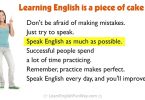
Speaking English “perfectly” isn’t about sounding like a native speaker. It’s about being clear, confident, and natural in real‑life conversations. For TEFL teachers and online learners, improving spoken English isn’t just a personal goal; it’s a professional tool that helps you teach better and sound more credible in every class you lead.

This guide will show you how to build perfect‑sounding spoken English through structured habits, TEFL‑style techniques, and the right certification choices.
- Why “Perfect English” Matters for TEFL Teachers
When you teach English, your students copy your pronunciation, your pacing, and your vocabulary choices. The clearer and more natural your spoken English is, the easier it is for them to pick up correct grammar and avoid bad habits.
A TEFL‑style approach to speaking helps you notice your own gaps and practice in a structured way. For example, the TEFL Institute’s guide to teaching English online focuses on clear instructions, real‑life tasks, and student-centred communication, all of which benefit your own speaking fluency.
By studying how to teach English online, you learn techniques like slowed, graded language, repetition for clarity, and context‑rich practice, methods you can turn inward and use to refine your own speech.
- Habits That Build Perfect Spoken English
You don’t need to move to an English‑only country to speak well. With the right habits, you can build near‑perfect spoken English from anywhere in the world.
- Speak daily, even if only to yourself.
-
- Talk about your day, explain your plans, or describe your environment out loud.
- Use shadowing: listen to short clips on LearnEnglishFunWay and repeat sentences immediately after the speaker.
- Focus on clarity, not accents.
-
- Work on vowel sounds, word stress, and natural rhythm instead of trying to copy a specific accent.
- Record yourself and compare your pronunciation with native models to spot patterns.
- Learn phrases, not just grammar rules.
-
- Fill your “mental toolkit” with chunks of language like “Let me think,” “That’s a good point,” or “How would you feel about…”
- Pages like LearnEnglishFunWay’s “Common English Phrases for Daily Conversations” are ideal for this kind of practice.
- Teaching Your Students to Speak Perfect English
If you’re a TEFL teacher or planning to become one, teaching spoken English is where your own practice meets real‑world impact.
Effective speaking lessons follow a few key principles:
- Needs analysis first: find out what students want to speak about (job interviews, travel, social media) and build lessons around those real‑world goals.
- Task‑based learning: give students mini‑tasks like “plan a trip,” “interview a friend,” or “present a hobby,” so they use English to achieve something instead of just repeating exercises.
- Pair and group practice: use timed activities, role‑plays, and speaking games that keep students speaking as much as possible.
If you want to deepen your teaching of speaking skills, The TEFL Institute’s “How to Teach English Online” guide walks you through lesson structures, warm‑ups, feedback techniques, and digital tools that keep learners speaking confidently in every class.
- How TEFL Teachers Keep Improving Their Own English
Even if you’re already teaching English, there’s always room to sound more natural.
- Speak with higher‑level students and colleagues.
-
- Join TEFL‑focused communities, Discord channels, or Zoom meetups where you can chat in English and get feedback.
- Many TEFL courses now include live Zoom classes and tutor feedback, which function as speaking practice for the teachers themselves.
- Teach the skills you want to master
-
- If you want to improve business English or exam‑style speaking, design a short course or workshop on that topic. Explaining it aloud forces you to internalise the language.
For TEFL teachers who want structured, advanced practice, The TEFL Institute’s 30‑Hour Teaching English Online course is built around exactly this loop: learn how to teach speaking, then practice it in real‑world online classes.
- Choosing the Right TEFL Certification for Speaking‑Focused Teachers
Not every TEFL course prepares you equally well to help students speak confidently. Look for programmes that:
- Emphasise communicative language teaching (CLT) and task‑based learning, where students use English rather than just repeating.
- Include practical teaching practice, such as live Zoom classes, peer feedback, and lesson‑planning workshops, so you can refine your own speaking while you teach.
If you want a widely recognised, flexible option that prepares you to teach English online and abroad, Premier TEFL’s 120‑Hour TEFL course offers a strong foundation in methodology, lesson planning, and student‑needs analysis, all delivered fully online.
- Turning “Perfect English” into a Daily Habit
“Perfect English” is less about one magic trick and more about consistent, intentional practice.
- Dedicate 20–30 minutes a day to speaking practice, recording, or shadowing.
- Use your TEFL training as a mirror: the same techniques you use with students, clear models, repetition, feedback, and real‑world tasks, work for you too.
- Join a TEFL‑focused community, so you’re not learning alone; many TEFL teachers report that peer feedback and shared resources make the biggest difference in their spoken fluency over time.